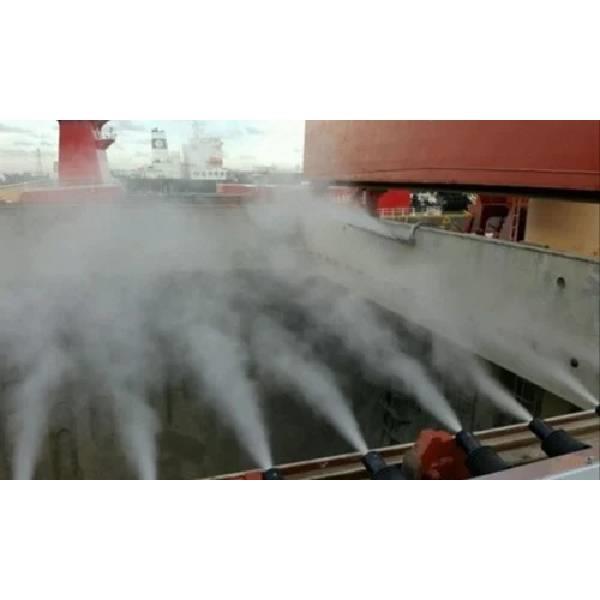
Dry Fog Dust Suppression System
The dry fog system uses ultrasonic nozzles by injecting air and water at high pressure for dust suppression (Farnham et al. 2015). The mist fog system uses fine nozzles and high water pressure to produce droplets size of 50–200 µm. Dry fog does not wet
Description
The Dry Fog Dust Suppression System is an advanced dust-control solution engineered to significantly reduce airborne dust at dust-generating points in industrial, construction, and material-handling operations. By generating an ultra-fine “dry fog†that agglomerates dust particles, it helps keep the air clean, improves worker safety, and preserves material quality — all while using minimal water and energy. How It Works The system uses dual-fluid (air + water) nozzles to atomize water into ultra-fine droplets (typically 1–15 microns in diameter), creating a fine fog or mist. Reduce Solutions Australia As airborne dust (ranging widely in size — from fine particulate to larger fugitive dust) passes through this fog, dust particles collide with the fine droplets and stick together (agglomeration). Once agglomerated, the dust-droplet clusters become heavier and settle out of the air, either returning to the bulk material flow (in processing plants) or falling to the ground — effectively removing them from the air stream. Only the dust gets moistened; the main material stays dry. The water added is minimal — typically ~0.1% of the material weight or less — so there’s no significant moisture introduced into the product.
Ask for Quotation